Dover, DE
Dover foundations need frost-deep footings, dry ground, and inspection-ready documentation.
Dover is growing outward from the state-capital core into neighborhoods like Wesley Manor, Westover, and the Camden-Wyoming edge. That growth brings garages, additions, accessory structures, and small commercial pads that all depend on the same thing: a foundation that is right before framing starts. Tri-County pours Dover foundations with frost-depth discipline, compaction, rebar, and inspection coordination so builders and homeowners are not chasing settlement later.
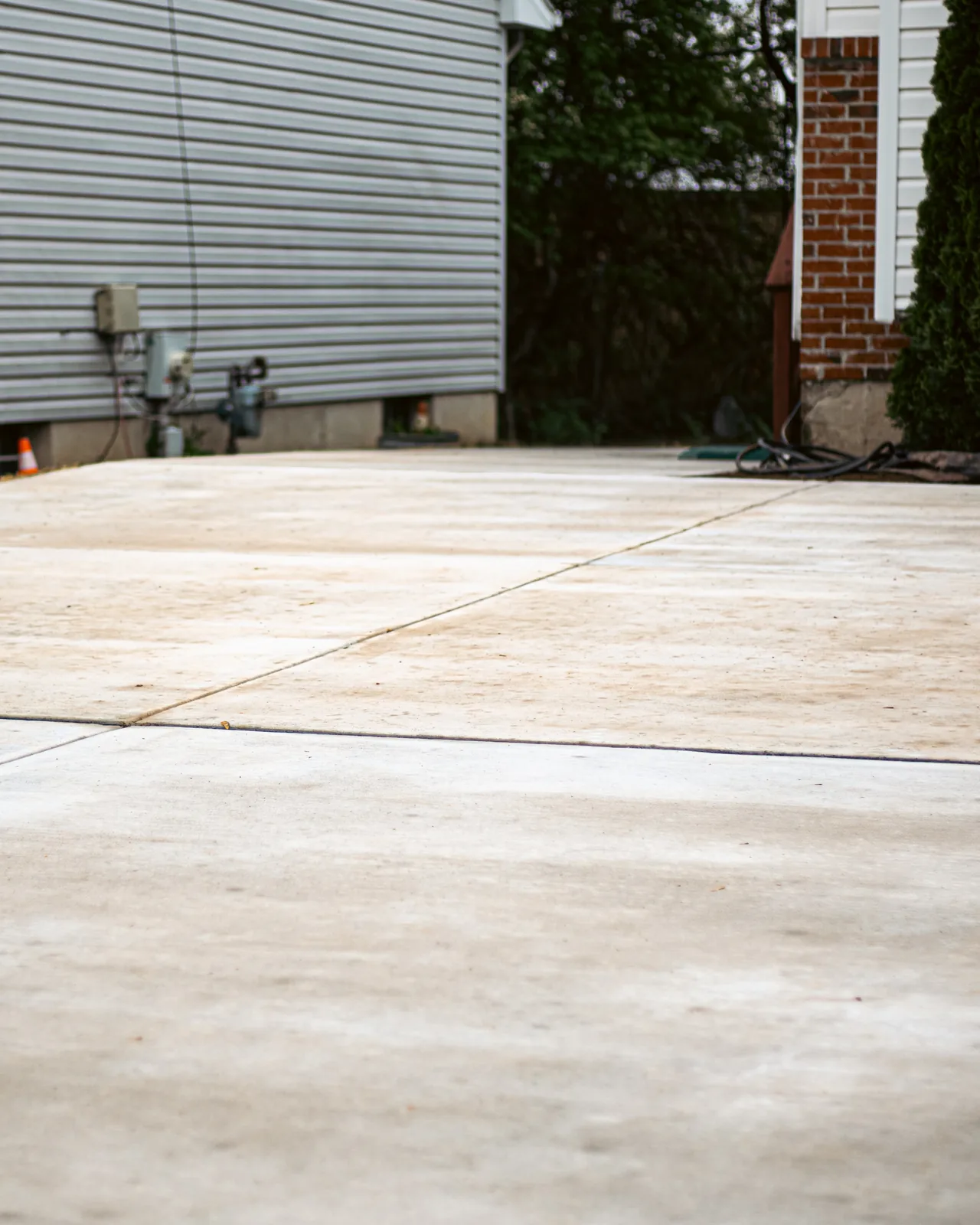
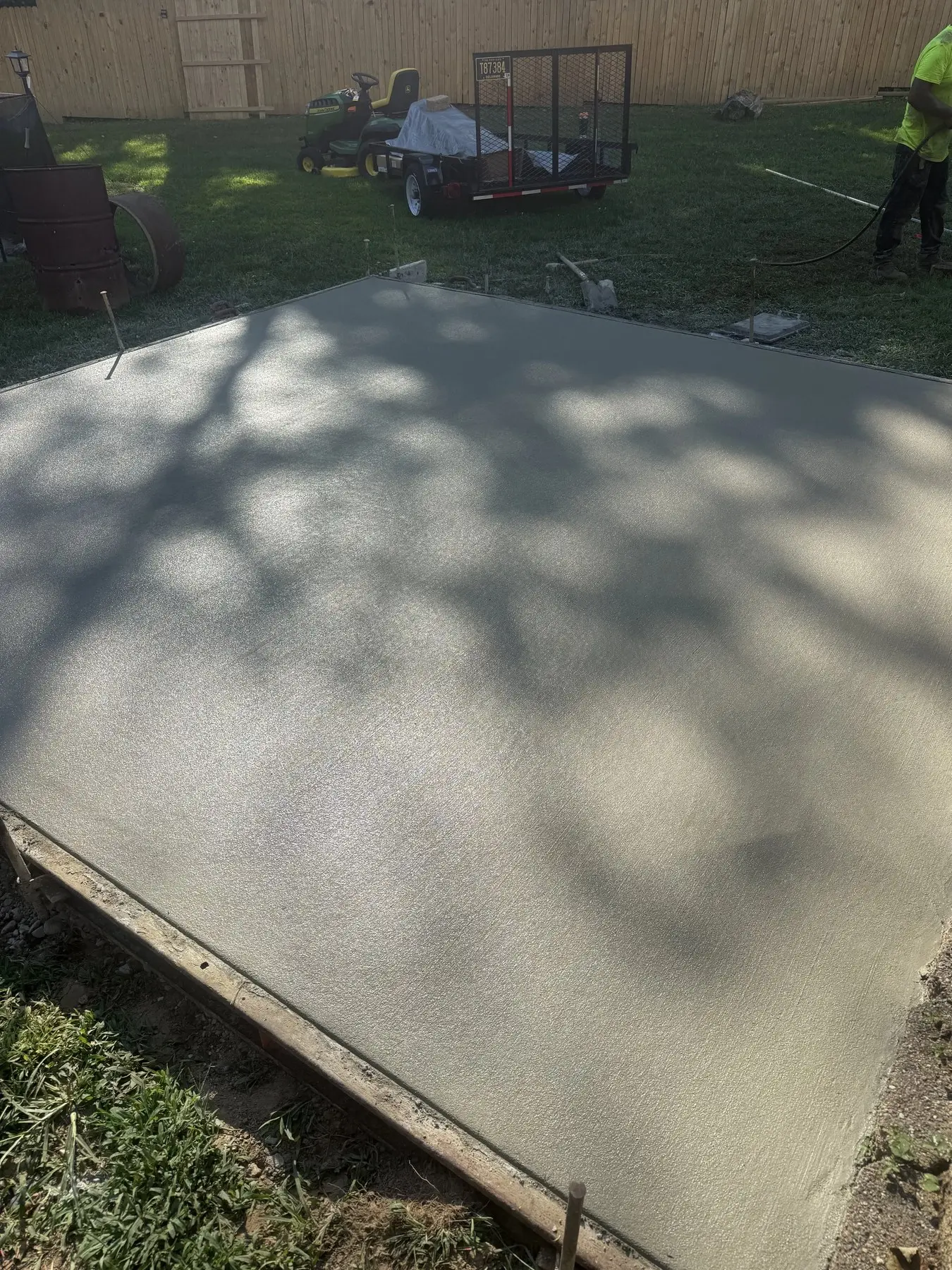
Dover sites can look simple from the street, but Kent County soil changes with seasonal moisture. A slab poured on a loose base in a dry month can telegraph movement once winter rain and freeze-thaw cycles arrive. We pour footings, slab-on-grade foundations, stem walls, garage slabs, shed pads, pole-building foundations, and accessory-structure pads with the base preparation and vapor barriers that keep the structure stable.
Delaware frost depth is 24 inches minimum, and loaded footings often go deeper when the structure calls for a safety margin. Slab-on-grade works for many garages, sheds, and simple buildings. Footings with stem walls make sense for additions, grade changes, and spaces where drainage separation matters. Rebar is tied to the plan instead of guessed in the trench.
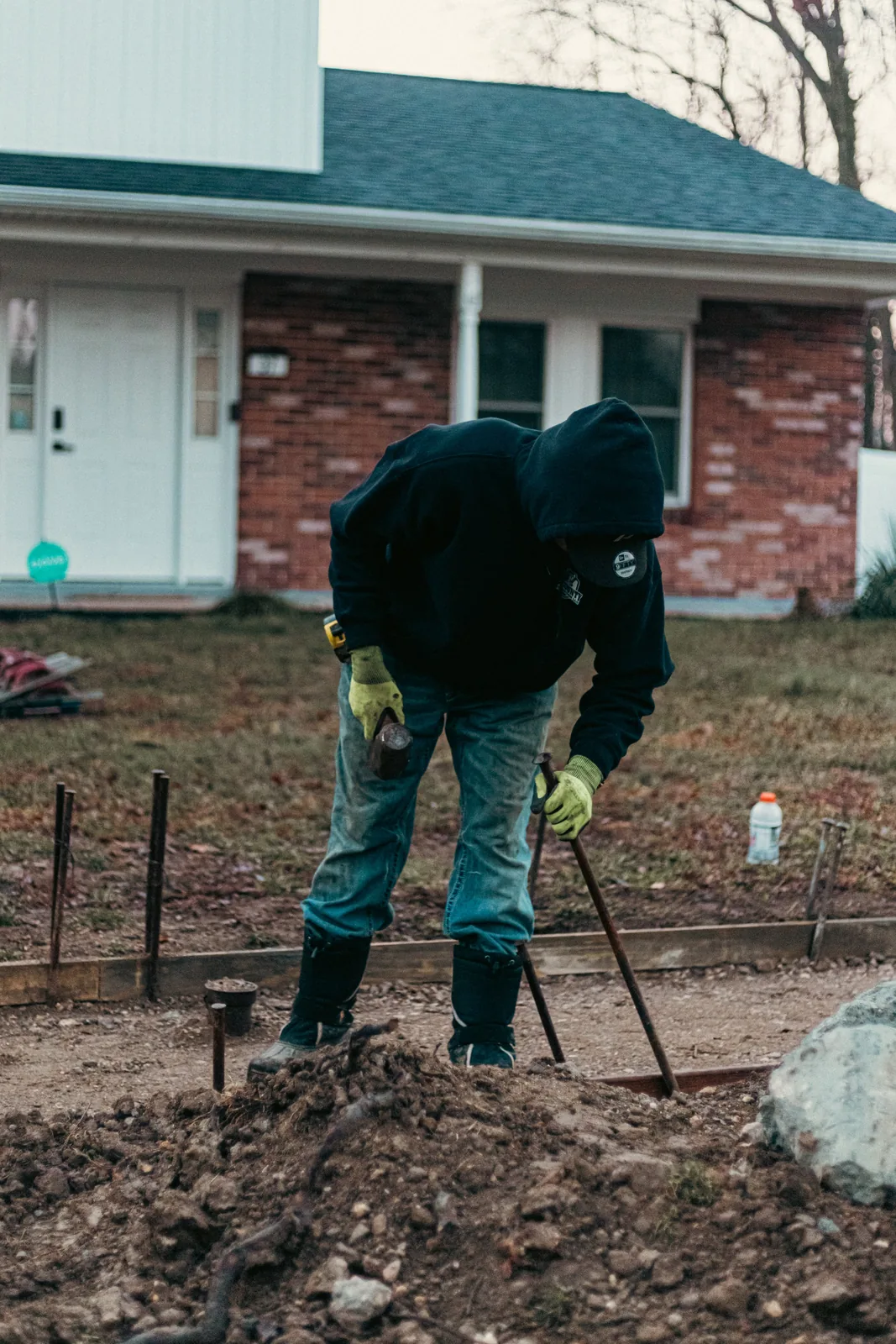
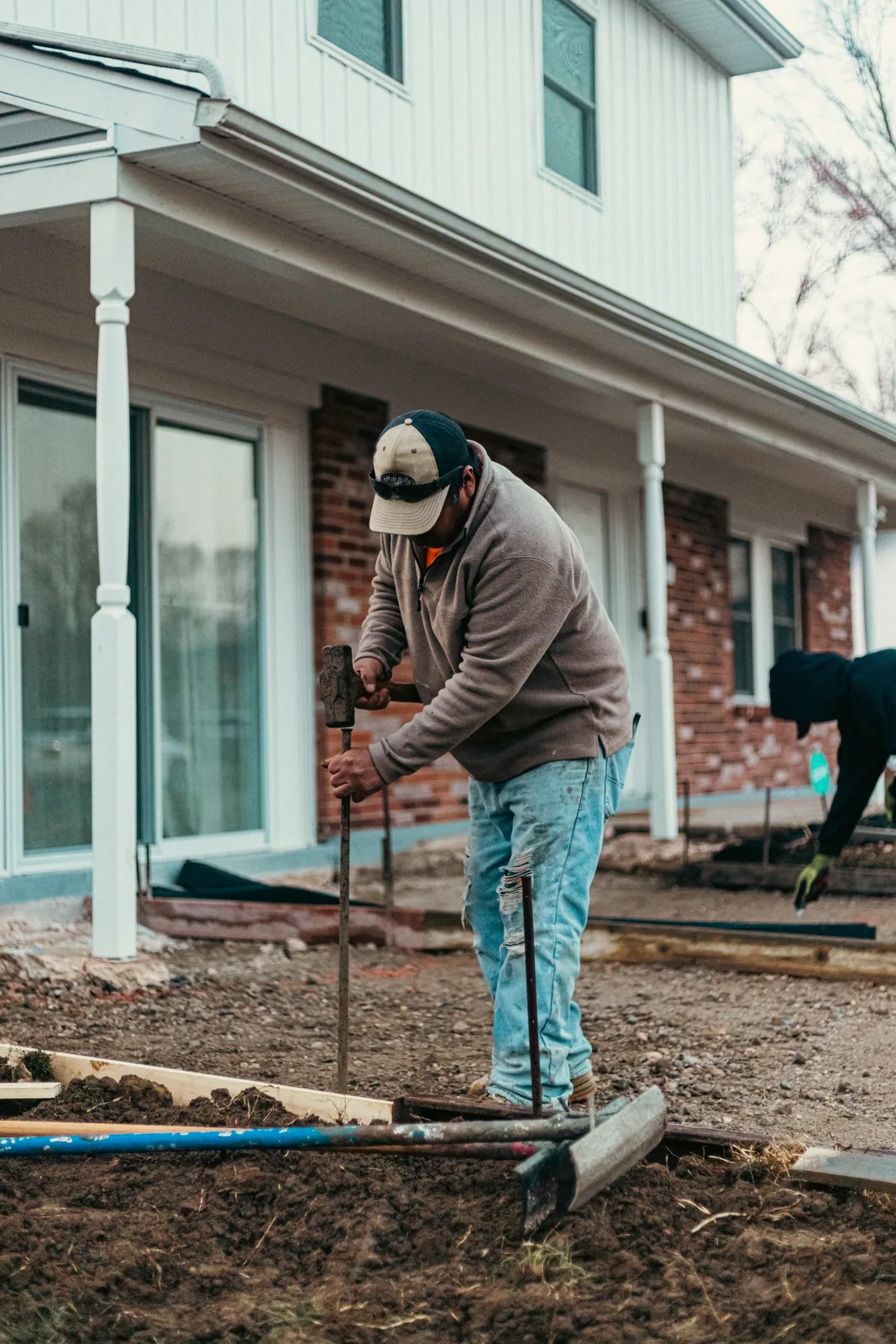
Our process runs in a practical sequence: estimate, plan review, excavation, stone base, forms, reinforcement, inspection, pour, cure, and cleanup. For GCs working near US-13 or new 55+ communities, that documentation helps keep the next trade moving. For a Dover homeowner planning a garage before listing or before a military move, it means the work is ready for inspection and resale questions.
Winter work is possible with cold-weather mix planning and curing blankets. Spring work gets extra attention to drainage so water does not sit around the new slab. Whether the project is near Legislative Hall, Dover AFB, Fox Hall, or south toward Camden-Wyoming, we scope the foundation around the structure, the soil, and the season.
The best foundation work is usually invisible once the project is complete, which is why the planning stage matters so much. We document the depth, reinforcement, inspection sequence, and cure expectations before the next trade covers the concrete. For Dover homeowners, that can help during future resale questions. For builders, it keeps the schedule from stalling. For additions near older homes, it gives the new structure a stable base that respects existing drainage and grade instead of fighting them after the framing starts.