Milford, DE
Milford commercial concrete follows the growth corridors — Bayhealth, US-113, and the historic core.
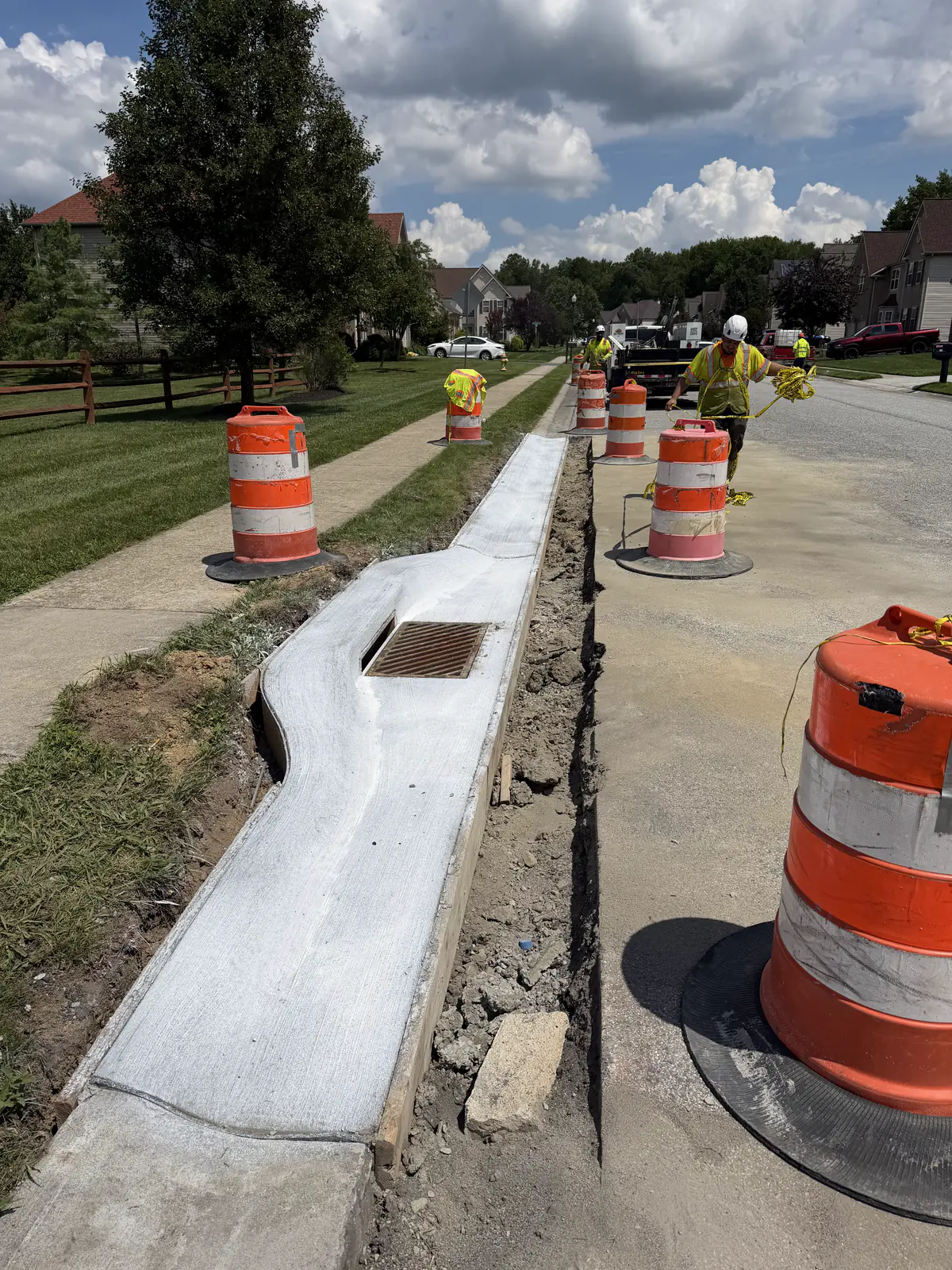
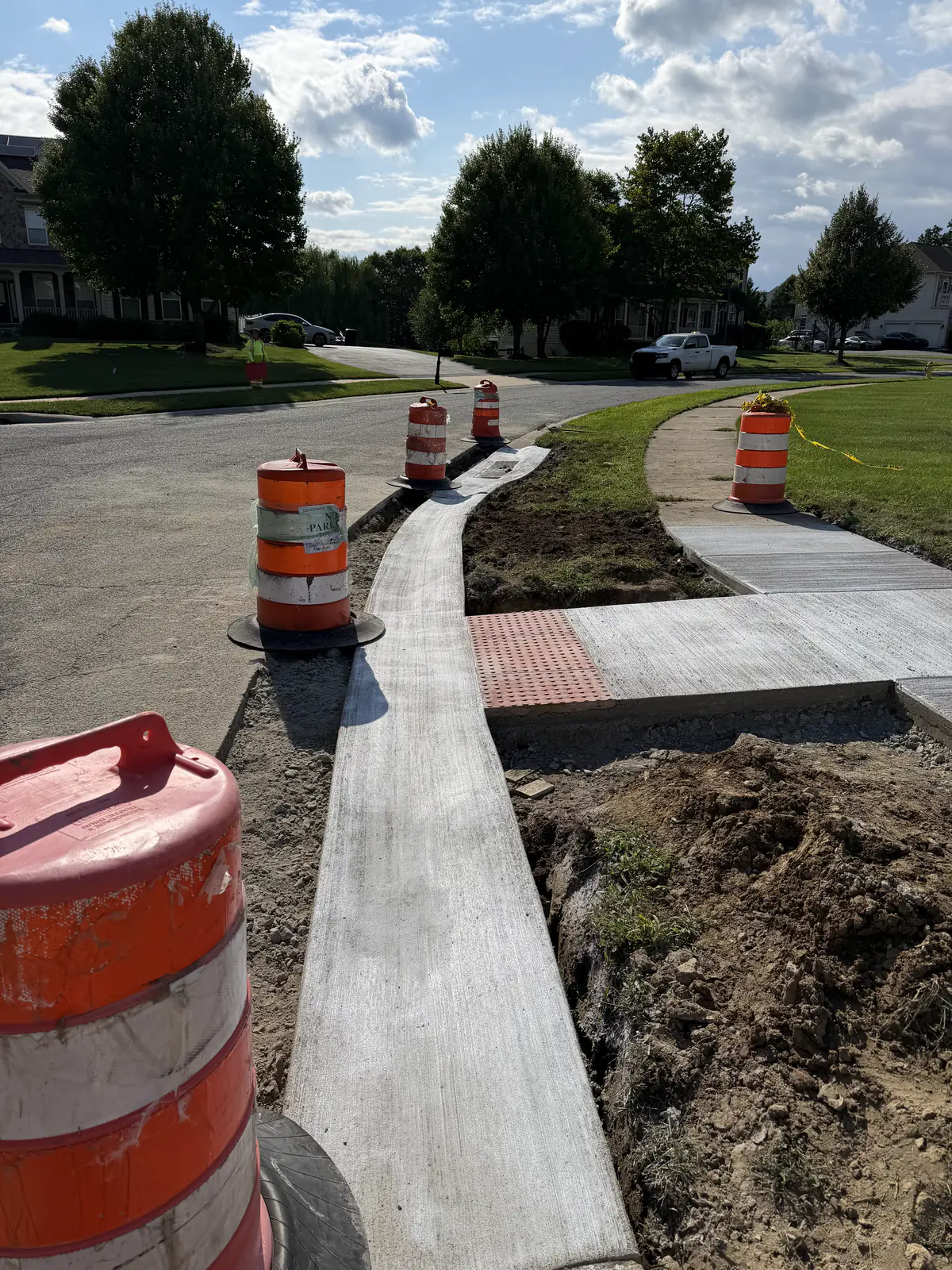
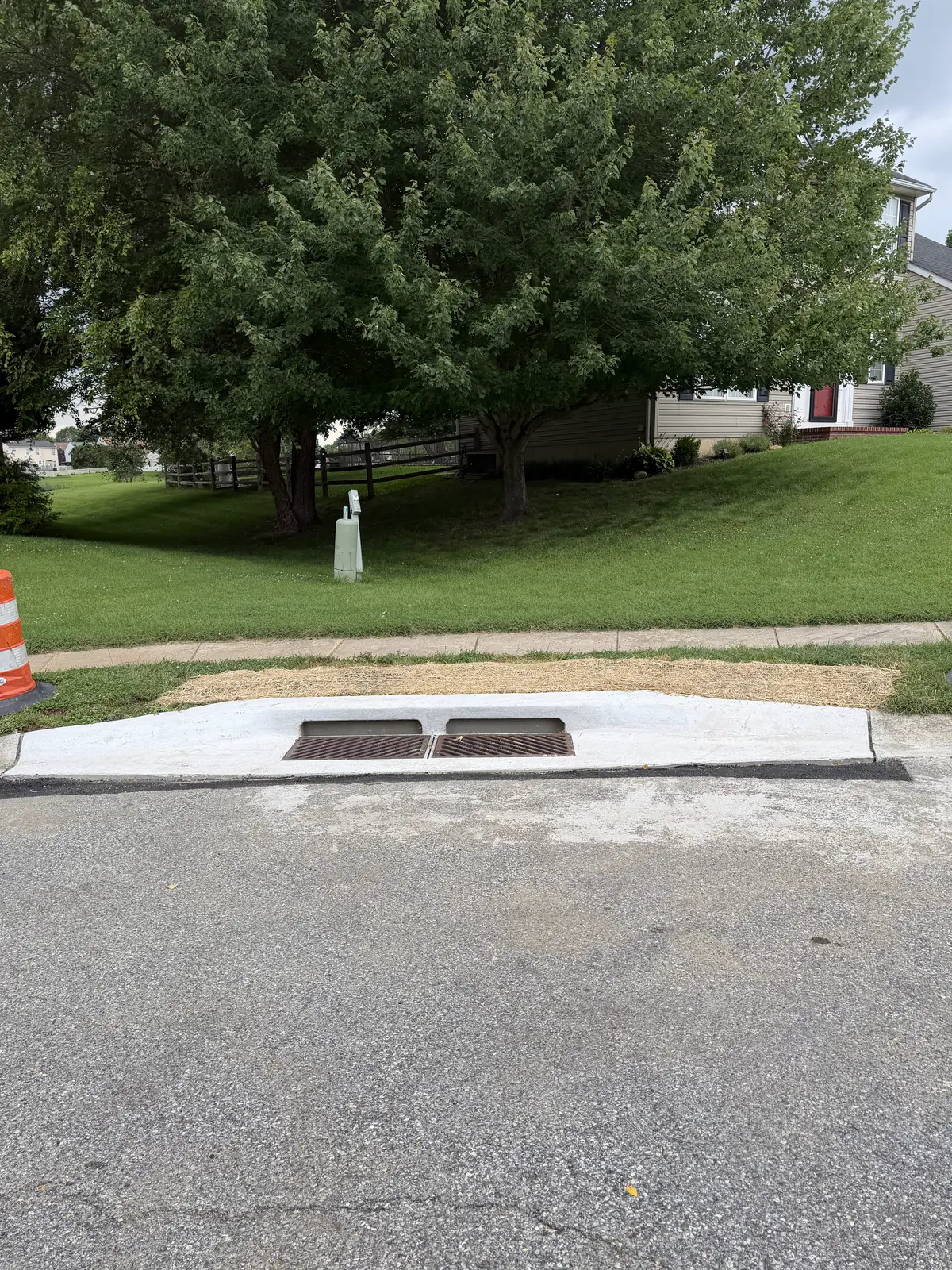
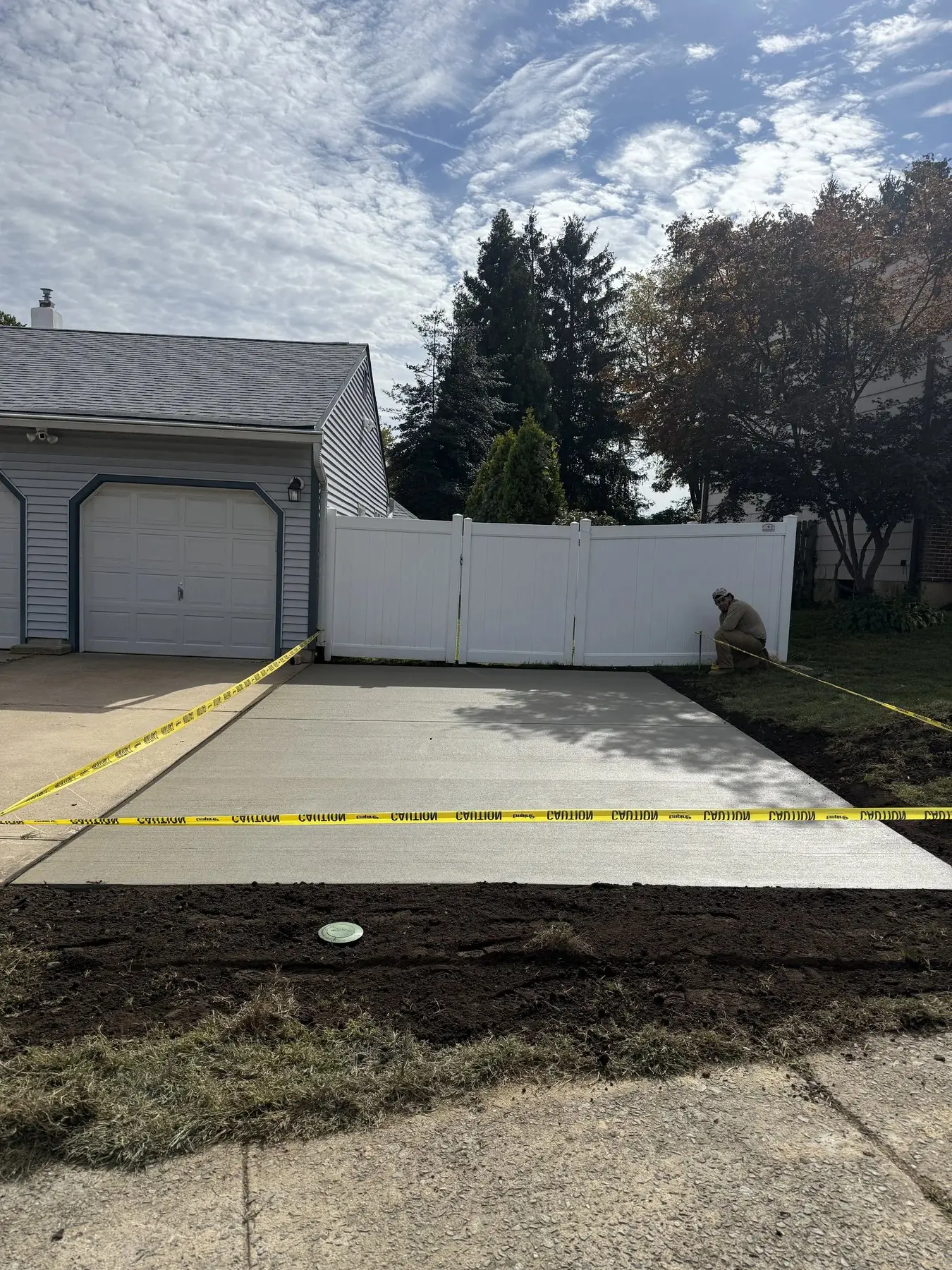
Milford is growing faster than any other town in southern Delaware, and the commercial concrete work follows the growth. The Bayhealth Sussex Campus on the south end drives medical office parking and access slab demand. The US-113 corridor generates retail strip center foundations, sidewalks, and loading pads. And the historic core — the Milford Museum, Mispillion Riverwalk, Big Thursday Park — needs pedestrian infrastructure that serves both daily foot traffic and event crowds. Tri-County Construction delivers commercial concrete for all three of these Milford corridors, from heavy-duty 6-inch reinforced slabs for healthcare parking to precision-graded sidewalks that meet ADA slope requirements around the town's oldest buildings.
The Bayhealth Sussex Campus is the single largest driver of commercial concrete work in Milford today. The hospital's expansion has triggered a wave of supporting development: medical office buildings, outpatient surgery centers, diagnostic imaging facilities, and the parking infrastructure that makes them accessible. Every one of these facilities sits on a reinforced concrete foundation designed for commercial loads, and every parking lot needs heavy-duty slabs that survive daily patient and staff traffic without cracking or settling. We pour parking lot slabs at minimum 6 inches of 4000 PSI concrete with fiber mesh reinforcement and saw-cut control joints spaced at 12-foot intervals. For the approach aprons and dumpster pads that take service vehicle traffic, we spec 7 inches of 4500 PSI mix with rebar reinforcement and thickened edges. The Bayhealth corridor also demands strict attention to ADA slope requirements — parking lot grades, curb ramp transitions, and walkway pitches all need to stay within 2% maximum cross slope and 5% running slope to meet healthcare accessibility standards. Milford's retiree population and the patients traveling from throughout Kent and Sussex counties for Bayhealth services rely on these access routes, so we verify every transition with a digital inclinometer before the concrete sets.
The US-113 commercial strip handles a different kind of concrete demand. This corridor is Milford's retail spine, carrying traffic from the bridge over the Mispillion north past the hospital to the Sussex County line. Retail strip centers, fast food pads, gas station aprons, and professional office buildings line both sides of the highway, and each one requires concrete that can handle a distinct load profile. A restaurant drive-through slab sees concentrated tire traffic on the same path hundreds of times a day — that needs thickened edges, rebar reinforcement, and a 6-inch minimum pour with a hard-troweled finish that's easy to clean. A retail sidewalk in front of a strip center needs to look clean and drain properly, with expansion joints at every building column and transitions that don't create trip hazards at the entry doors. A car wash or service station apron takes oil, chemicals, and heavy truck traffic, requiring a denser mix with air entrainment and a sealed surface that resists staining. We approach every US-113 commercial job with the same rigor: survey the existing pavement, check the subgrade compaction, design the mix for the specific use case, and place the concrete on a schedule that minimizes disruption to the business's operations. Milford's US-113 businesses cannot afford extended downtime, so we stage pours in phases, cure quickly, and open surfaces to traffic on time.
Milford's historic district is the third commercial concrete zone, and it demands a different set of skills entirely. The area around the Milford Museum, the Mispillion Riverwalk, Big Thursday Park, and the downtown commercial blocks needs concrete that serves pedestrian safety while respecting the town's historic character. Sidewalks here have to handle festival crowds during Riverwalk events and Big Thursday celebrations, deliver wheelchair-accessible routes to every storefront and museum entrance, and integrate with existing brick and stone features that predate modern concrete standards. We've replaced sections of sidewalk near the Milford Museum where roots from mature shade trees had lifted the original slabs into tripping hazards, regrading the entire run to meet ADA slopes while saving the trees that give downtown its character. We pour the museum-area sidewalks with broomed finish for traction and saw-cut joints spaced to match the existing panel layout so the new work blends with the old. For commercial pads behind downtown buildings — dumpster enclosures, equipment pads, delivery access — we build heavy-duty slabs that can handle trash service trucks and delivery vans without cracking under the hidden weight. These projects are invisible to the public when done right, but every restaurant, retail shop, and museum office in downtown Milford depends on concrete that works every day.
The healthcare-adjacent commercial sector in Milford extends beyond the Bayhealth campus itself. Urgent care centers, physical therapy clinics, dental offices, and pharmacy pads have followed the hospital's growth, scattering along US-113 and into the newer commercial zones near Ashton and Walnut Shade. Each of these facilities needs the same commercial concrete quality as the main campus: parking slabs that don't settle, walkways that comply with medical office ADA standards, and approach aprons that survive delivery trucks and snow removal equipment. We also build patient drop-off pads at the front of these facilities — reinforced concrete with a smooth but non-slip finish, covered canopy bases, and drainage pitched away from the entry doors so patients don't step into puddles on rainy days. The needs are not glamorous, but they are critical. Milford's identity has shifted from an agricultural market town to a regional healthcare hub, and commercial concrete is the literal foundation of that transformation. From the heaviest parking lot slab at the Bayhealth campus to the most carefully graded sidewalk transition in front of the Milford Museum, every pour we place in the 19963 ZIP code is built to last as long as the buildings it serves.