Georgetown, DE
Georgetown Sidewalks Built for Courthouse Foot Traffic, Historic Streets, and Growing Neighborhoods
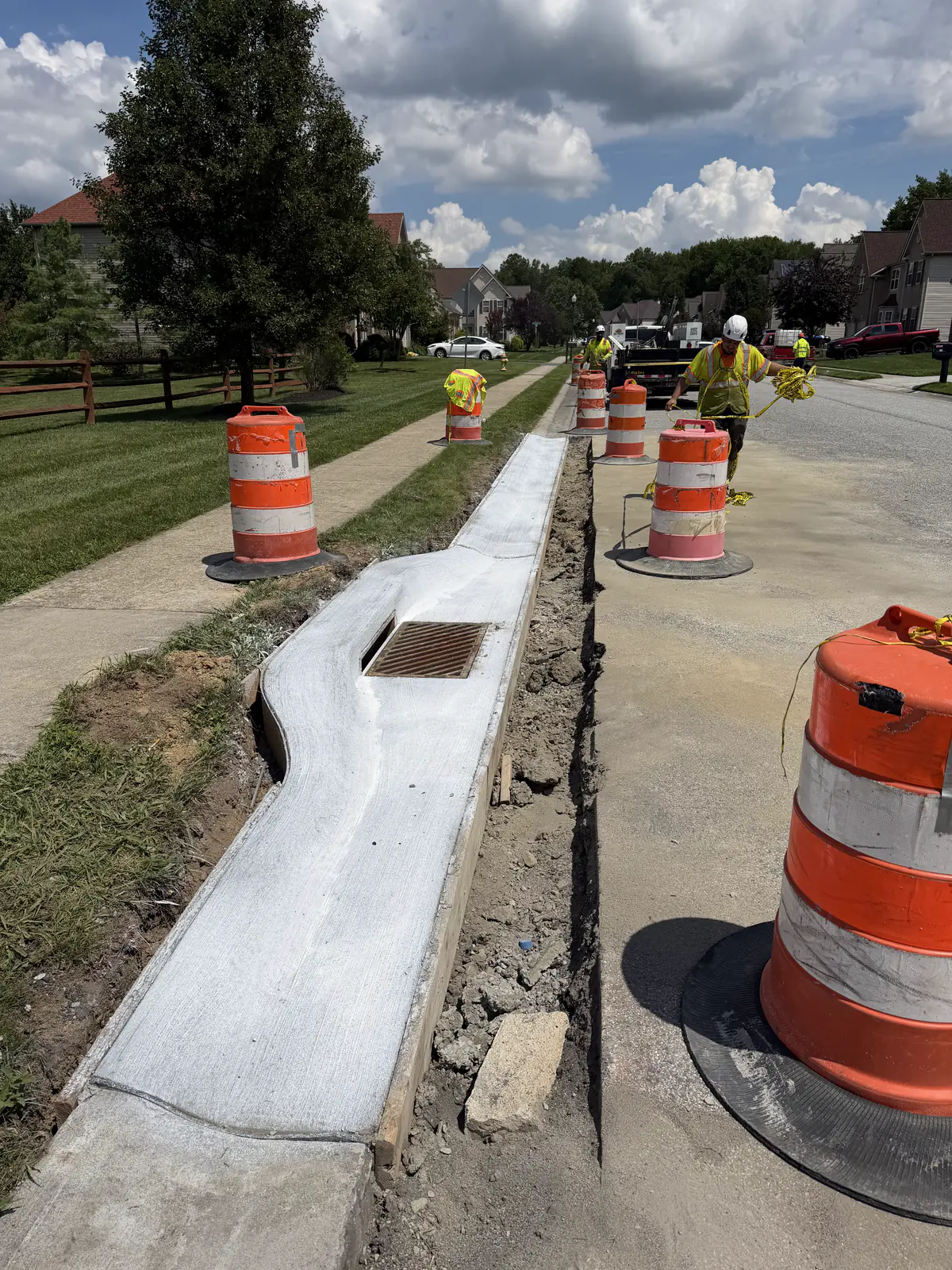
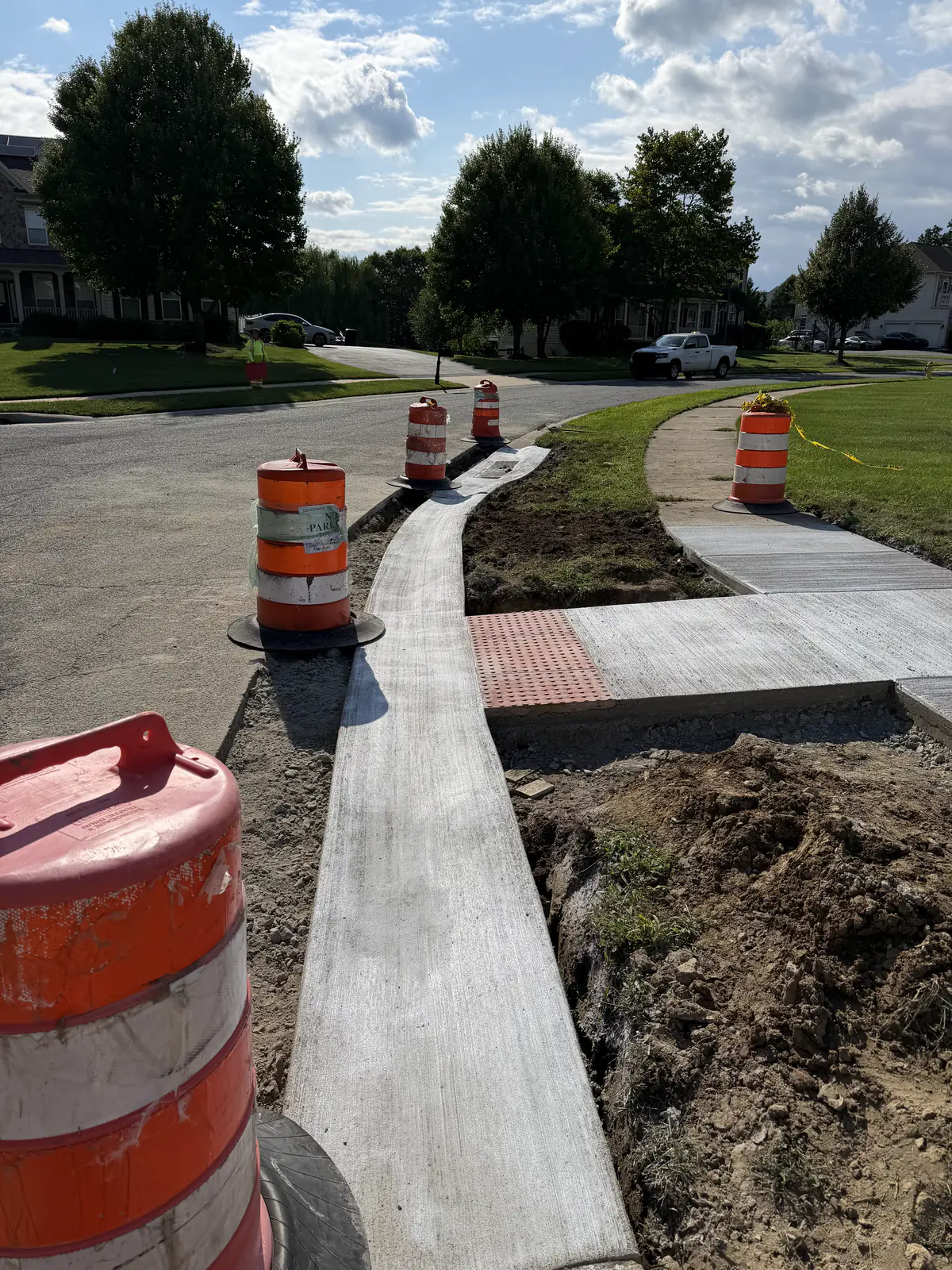
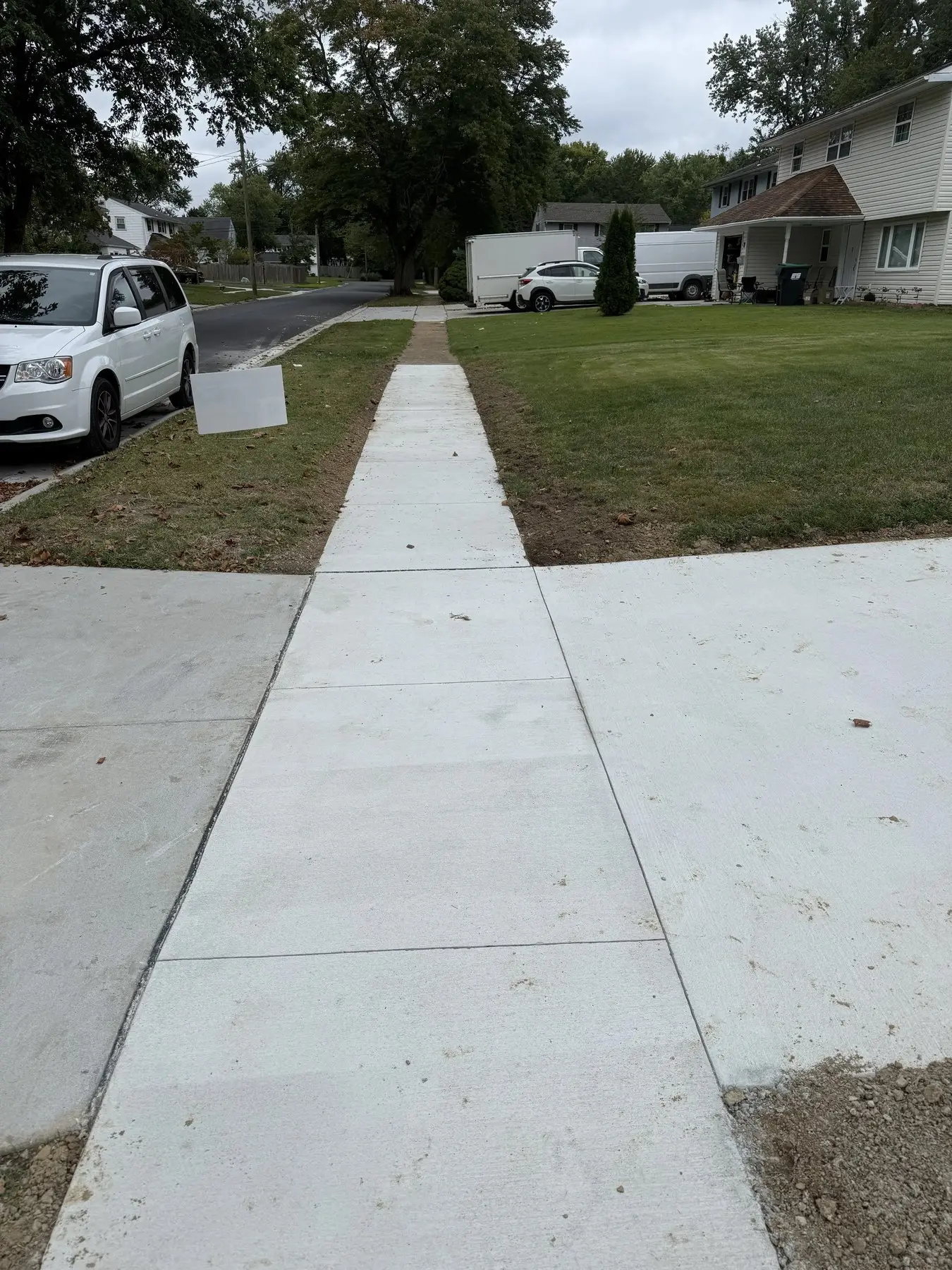
Georgetown is the seat of Sussex County government, so foot traffic is heavier than most Delaware towns of its size. Courthouse employees, attorneys, and visitors walk The Circle every weekday. Olde Town residents need safe historic walkways. New subdivisions like Pine Hollow need connector paths. And the US-9 and DE-404 corridors bring pedestrian access challenges to a growing commercial area. Tri-County installs concrete walkways and sidewalks across Georgetown with proper base prep and finishes that last through Sussex County winters.
The busiest sidewalks in Georgetown serve the Sussex County Courthouse complex at The Circle. On any given weekday, attorneys, paralegals, litigants, jurors, and government staff move between the courthouse, the county administrative building, and satellite offices along Market Street, Pine Street, and nearby blocks. Those sidewalks see more daily traffic than any residential street in town, and they need to stay safe through freeze-thaw cycles, summer downpours, and the wear of year-round use. When a courthouse-area sidewalk starts cracking, settling, or lifting at a joint, it becomes a liability in a high-traffic pedestrian zone. We replace those sections with 4-inch minimum thickness, broom finish for wet-weather traction, and control joints cut at consistent spacing so the sidewalk stays level and predictable. The work has to coordinate around courthouse hours and pedestrian access — we plan sidewalk pours for weekends or early mornings when foot traffic is lowest.
Olde Town presents a different kind of walkway demand. These are historic homes on streets that were laid out before sidewalks were standardized, and the existing walkways range from original brick paths to uneven concrete that has shifted over decades. For a homeowner in Olde Town, the walk from the front door to the street or driveway is often the first thing visitors and appraisers notice. A cracked, settled walkway hurts curb appeal and can create a trip hazard for mail carriers, delivery drivers, and family members. We replace those walkways with a clean 36-inch or 48-inch path, broom finish for traction, and a subtle pitch that channels water away from the foundation. The goal is a walkway that looks intentional and safe — not an afterthought that was patched one section at a time.
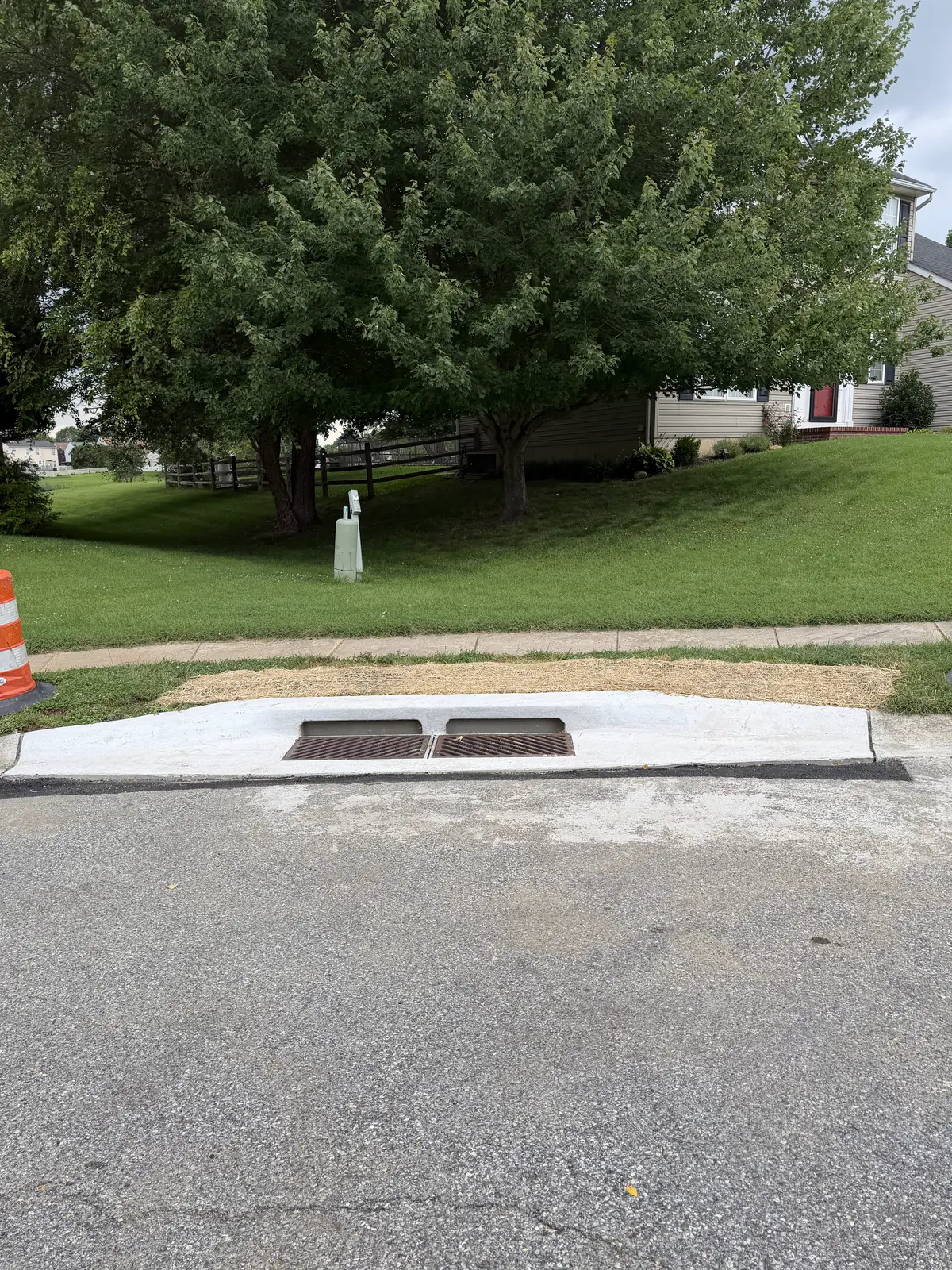
Out in the newer residential neighborhoods — Pine Hollow, Stockley, Sussex West, and the developments spreading along the DE-404 corridor — the demand is often for connector walkways that tie the subdivision together. HOAs and developers want sidewalks along main thoroughfares, paths between cul-de-sacs, and safe routes to neighborhood amenities. These are larger-scale pours that need consistent finish, proper expansion joints at pavement crossings, and coordination with drainage swales and utility easements. The DE-404 corridor, in particular, has seen significant residential growth, and pedestrian access along that highway corridor is an ongoing need as more homes and businesses open along the route. We pour sidewalk sections that match municipal standards when required, with 4-inch slab thickness, rebar reinforcement at driveways and crossings, and walkable connections between neighborhoods.
Trap Pond State Park draws weekend visitors from across Sussex County, and the pedestrian access routes leading to and around the park entrance are part of the visitor experience. Walkways that connect parking areas to the trailheads, pond access points, and campgrounds need to handle seasonal traffic spikes and wet, muddy conditions without becoming hazards. For properties and access points near Trap Pond, we pour walkways with heavy broom finish for traction, reinforced slabs where maintenance vehicles may cross, and drainage pitch that sheds water even during the spring wet season. Georgetown's agricultural surroundings also create a quieter demand: walkways connecting farmhouses to barns, poultry houses to feed storage, and equipment pads to access lanes. Those are simple, functional pours — 3 to 4 inches thick, broom finished, and placed where daily movement needs a stable surface instead of a muddy path.
No Georgetown walkway gets poured without a site walk first. We look at how people actually move through the property, where water collects, whether the existing grade will work or needs adjustment, and whether public-facing access requires permits or ADA compliance. For residential jobs in Olde Town, that means checking the path from driveway to front door and noting any steps or transitions. For commercial courthouse-area work, it means planning safe pedestrian detours and coordinating with building management. For growing subdivisions along DE-404, it means matching the neighborhood standard and planning connections that make sense for families, strollers, and bikes.