Georgetown, DE
Georgetown Demolition — From Agricultural Tear-Downs to Historic Selective Stripping
Georgetown is a town that builds on its history, but sometimes that means clearing the old to make room for the new. Aging poultry houses on agricultural land need tear-downs for residential conversion. Olde Town's historic structures need selective interior demolition. Commercial spaces on The Circle need gut-outs for renovation. And older homes in Stockley, Pine Hollow, and Coastal Crossing need failing concrete slabs and foundations removed before replacement. Tri-County does Georgetown demolition with the care the county seat demands.
The poultry industry built Georgetown's economy over the last seventy years, but the poultry house stock is aging out. Many of the barns and grow-out houses scattered along US-9, DE-404, and the rural roads toward Stockley and Trap Pond were built in the 1970s and 1980s with timber framing, metal siding, and concrete slabs that have reached the end of their service life. As poultry operations consolidate onto larger, modern facilities with tunnel ventilation and automated feeding systems, the old houses come down. We have done full agricultural demolition on dozens of Georgetown-area poultry operations — stripping metal siding and roofing for recycling, demolishing the timber frames with excavators equipped with grapple attachments, breaking up and removing the concrete slabs and footings, and grading the site for its next use. The majority of these tear-downs lead to residential lot conversion, a trend that is reshaping Georgetown's growth. An old poultry house pad off US-9 becomes a building lot for a single-family home in a year or two. We handle the asbestos abatement coordination, utility disconnects, and debris disposal so the land is ready for the next phase. Sussex County requires a demolition permit and a debris disposal plan for any structure over 120 square feet, and we manage that paperwork as part of every Georgetown agricultural demolition project.
Olde Town Georgetown — the historic residential blocks just off The Circle — presents a different kind of demolition challenge. These are homes and commercial buildings dating from the late 1800s through the 1940s, many with plaster and lath walls, balloon framing, and additions tacked on over decades. When an Olde Town property owner wants to renovate a historic home or convert a commercial building on The Circle into modern office space, the demolition is selective and surgical. We strip interiors down to the studs while preserving original woodwork, mantels, staircases, and exterior facades that contribute to Georgetown's historic character. Selective demolition in Olde Town means removing a 1970s-era dropped ceiling to expose original tin ceilings, cutting out termite-damaged floor joists without disturbing the surrounding structure, and taking down non-original partition walls that were added when the building was converted from residential to commercial use. We work with the property owner's architect or contractor to label every piece of salvageable material before the demo crew arrives, and we stage the work so the building remains weather-tight throughout the process. The Circle's historic district has design review requirements for exterior changes, but interior selective demolition does not require the same approvals — though we always advise property owners to check with Sussex County planning before starting work on any building within the historic overlay zone.
The commercial buildings on and around The Circle need periodic renovation as Georgetown's business landscape evolves. Law offices, title companies, real estate agencies, and county government-adjacent businesses cycle through tenant improvements and space reconfigurations regularly. We do commercial demolition on The Circle that includes full interior strip-outs of office build-outs, removal of outdated mechanical and electrical systems, concrete slab cutting for new floor drains and plumbing chases, and selective wall removal to open floor plans. These projects run on tight timelines — a law firm moving into a space on The Circle might have a 30-day build-out window between lease signing and move-in, and the demolition phase has to happen in the first week. We coordinate with the building owner, the general contractor, and the utility providers to disconnect services, protect occupied adjacent spaces with dust barriers and negative air pressure, and haul debris efficiently so the construction trades can start immediately after we finish. For commercial buildings on The Circle that are occupied on the upper floors or in adjacent suites, we schedule the noisiest demolition work — concrete cutting, wall demo, floor removal — for after hours or weekends to minimize disruption to tenants.
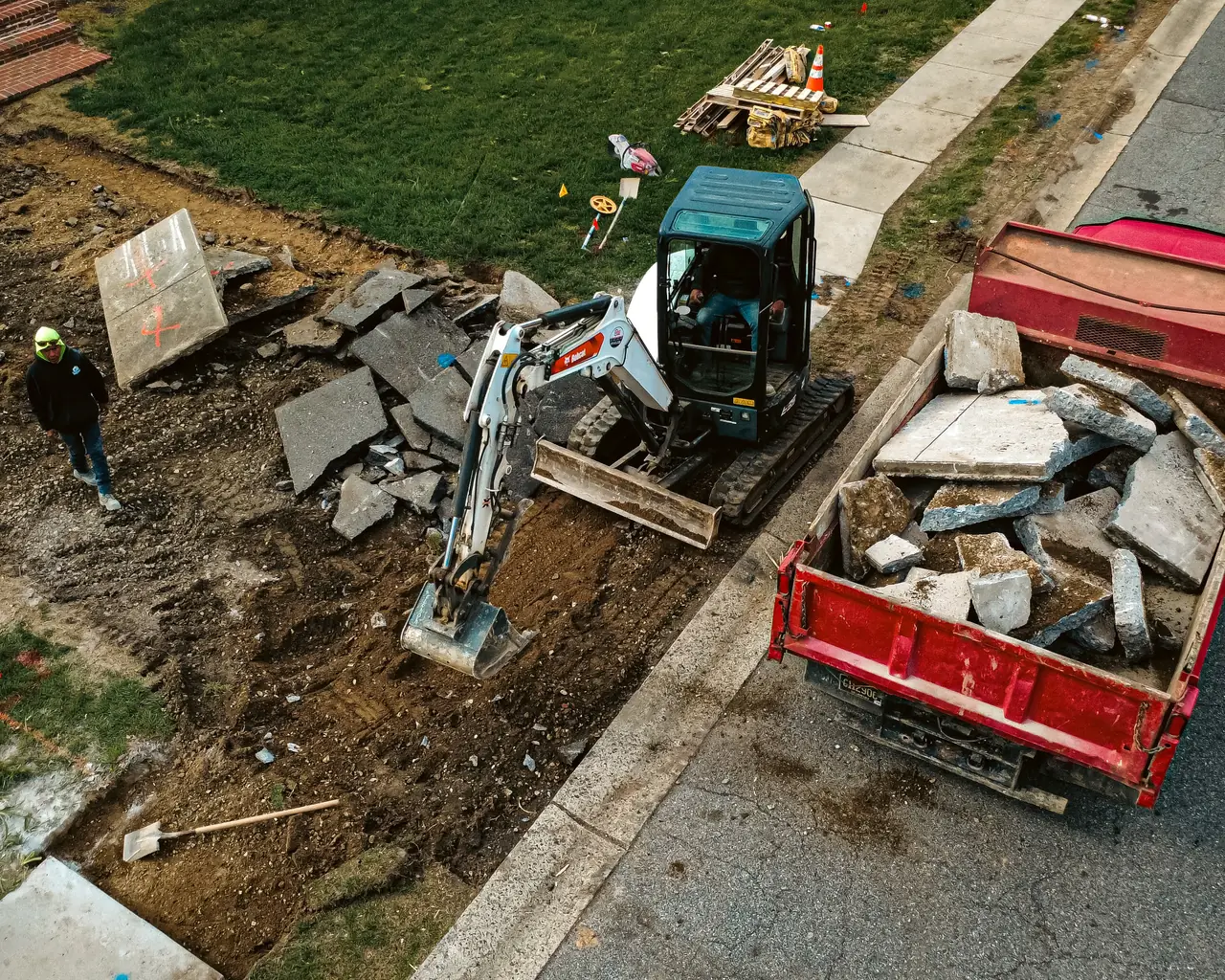
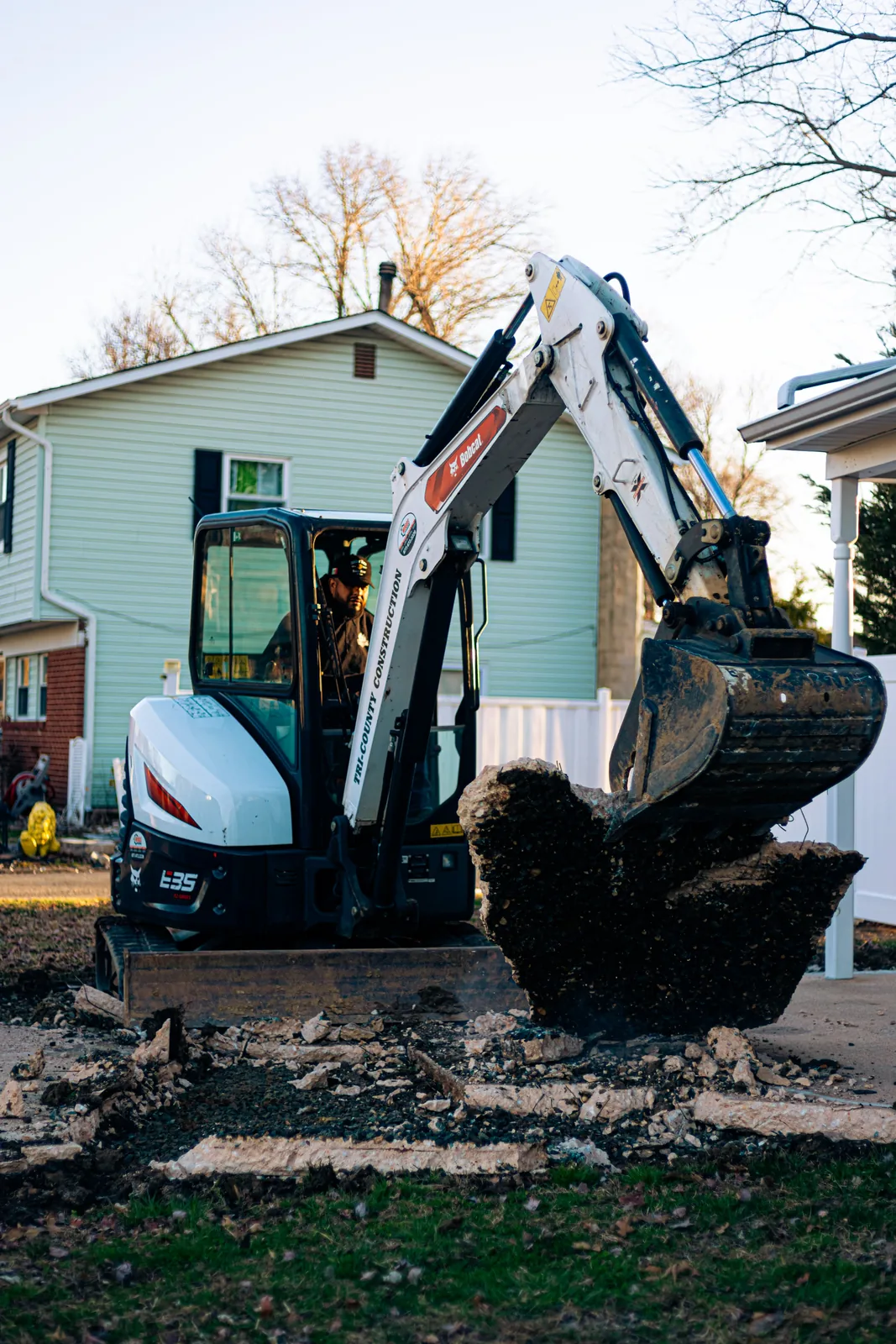
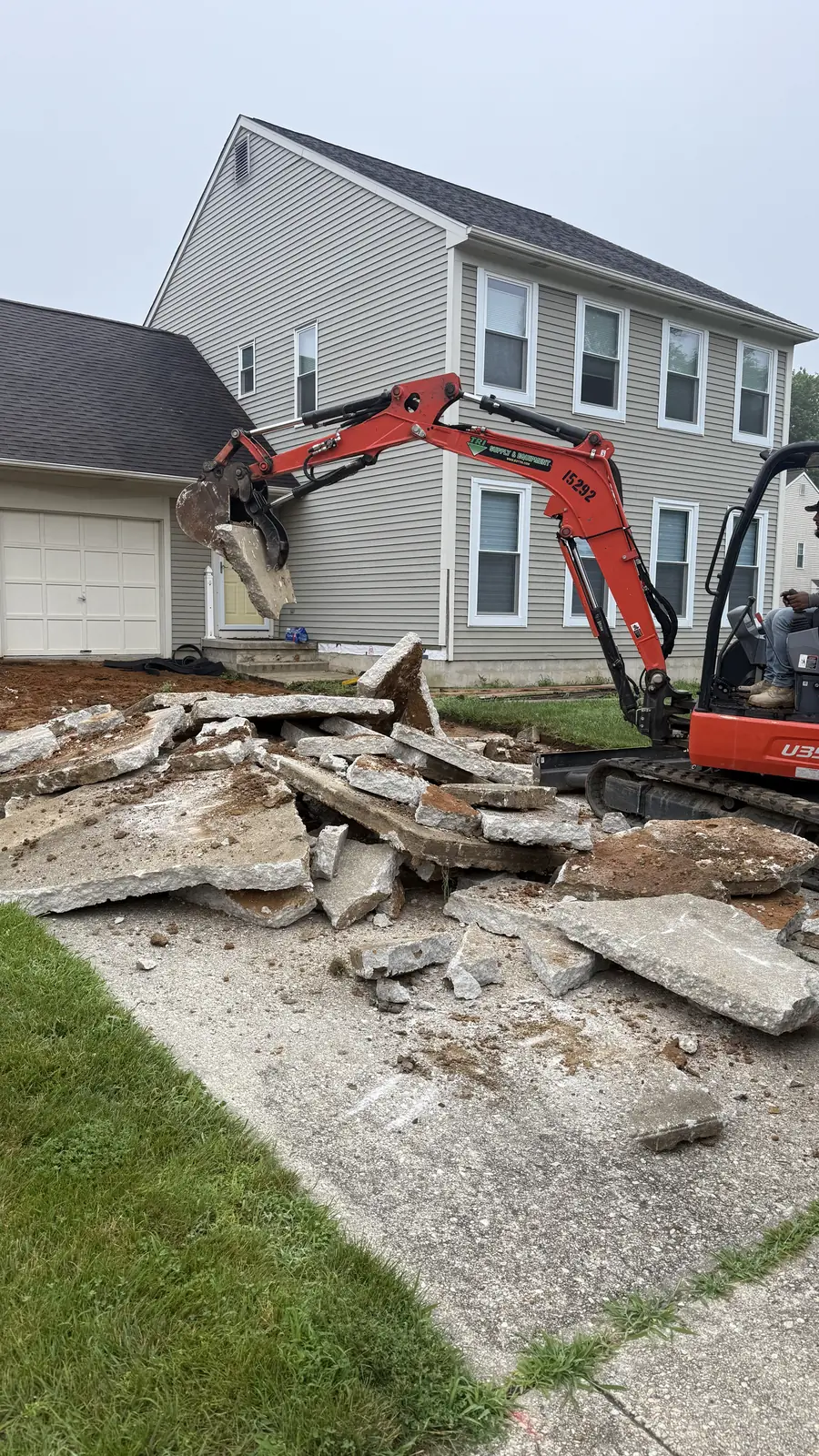
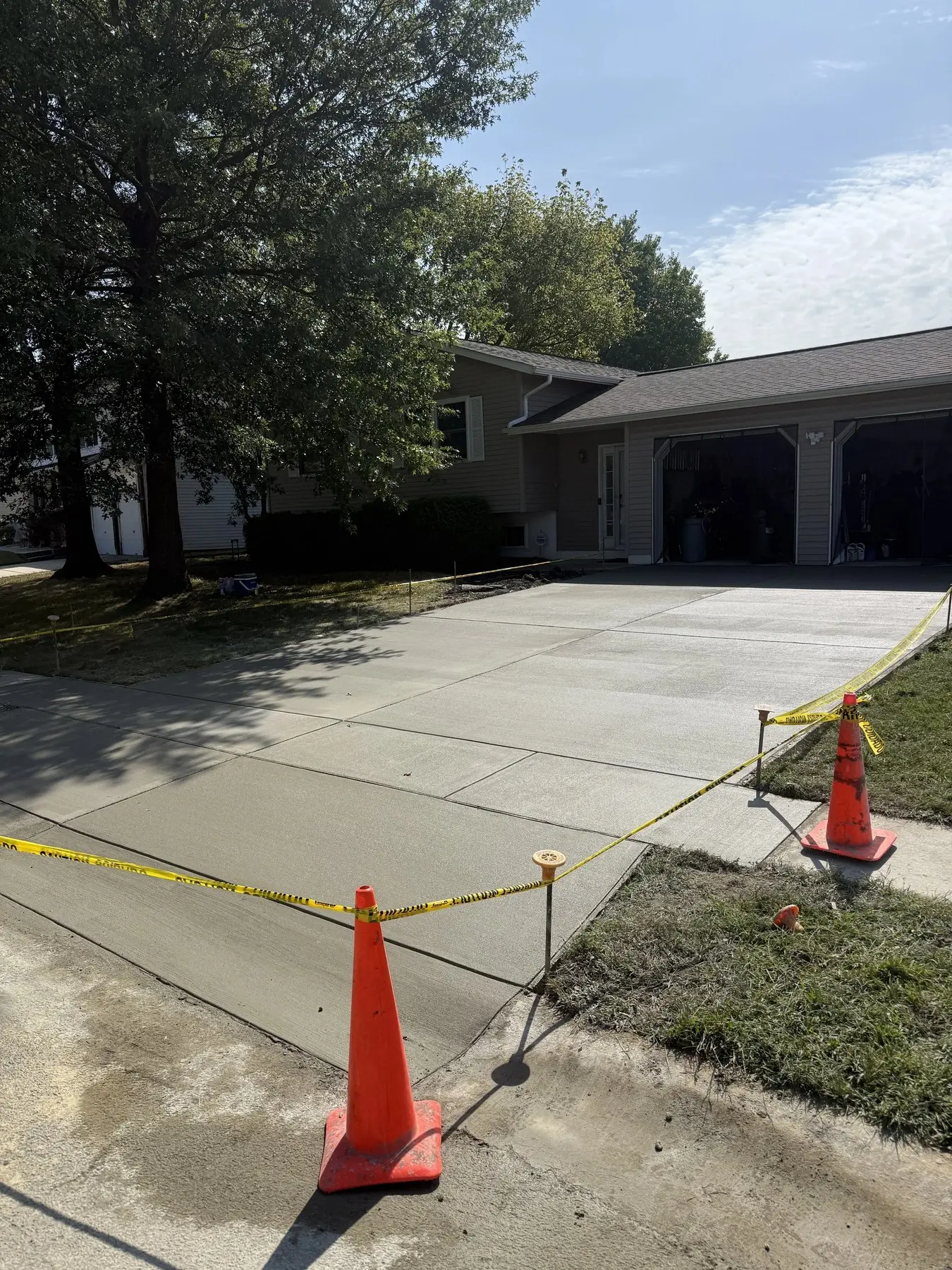
Georgetown's older residential neighborhoods — Stockley, Pine Hollow, and the established parts of Coastal Crossing — have driveways, patios, sidewalks, and foundation slabs that are failing after decades of Sussex County weather. We do residential concrete demolition across these neighborhoods, removing cracked and settled slabs that create trip hazards, hold standing water, and lower property value in the county seat. A Stockley homeowner with a 1960s-era driveway that has heaved and cracked needs the slab broken up, the concrete hauled away to a recycling facility on DE-404, and the subgrade excavated and recompacted before new concrete goes in. Pine Hollow and Coastal Crossing have homes built in the 1990s and early 2000s where the original driveway and patio slabs are now spalling from freeze-thaw damage and inadequate base compaction. We remove those slabs with walk-behind saws for precision cutting near existing structures, break up the concrete with electric jackhammers to avoid damaging adjacent landscaping, and load the debris for recycling. Every Georgetown residential slab we demolish is hauled to a local concrete recycler rather than a landfill — the crushed concrete becomes base material for new construction, which is the circular economy that Sussex County has encouraged for decades.