Georgetown, DE
Georgetown Excavation for Agriculture, Development, and Institutional Growth
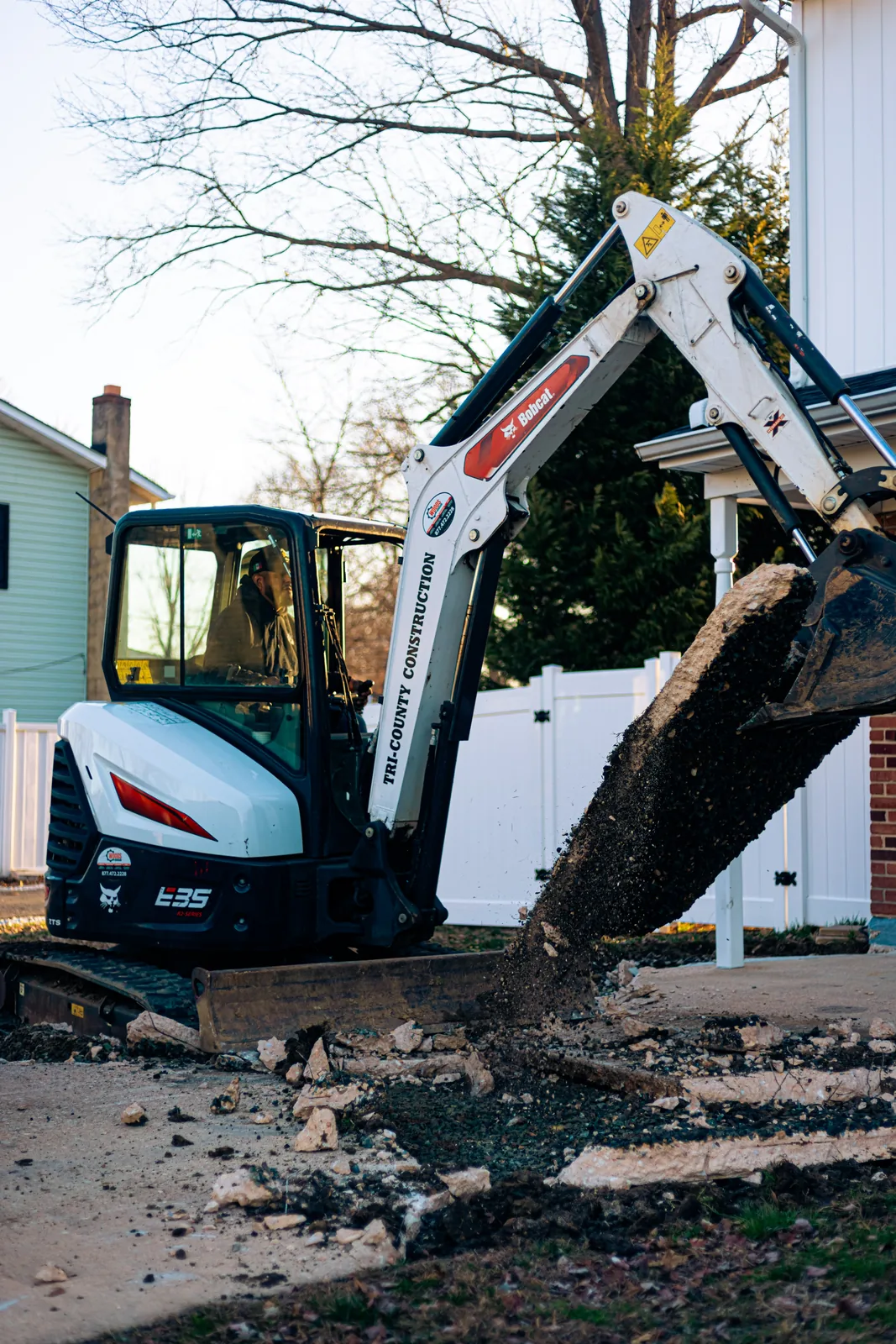
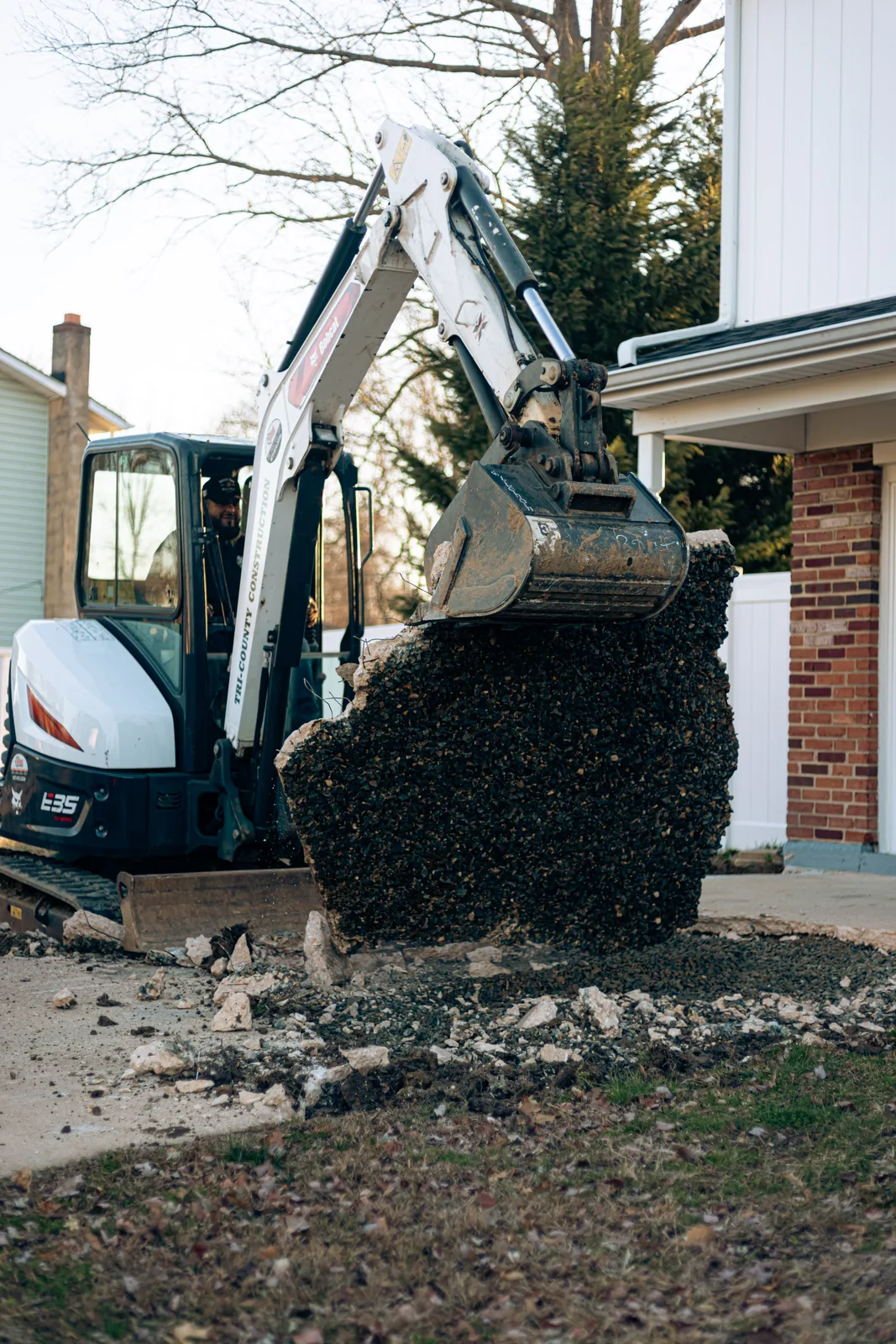
Excavation is where every Georgetown construction project begins. Poultry house site prep on agricultural land off US-9. Drainage grading around Trap Pond State Park. Commercial lot development along DE-404 and US-9. New subdivision earthwork in Coastal Crossing and Pine Hollow. Delaware Tech campus expansion. And the agricultural-to-residential conversions reshaping Georgetown's growth pattern. Tri-County brings the equipment and experience to move Georgetown's ground the right way.
The poultry industry drives more excavation work in Georgetown than any other sector. Poultry houses need flat, well-drained building pads that support multi-ton feed bin systems, ventilation equipment, and barn foundations for operations that span tens of thousands of square feet. Before a single concrete yard is poured on a Georgetown poultry operation, we are on site with excavators, dozers, and compactors cutting the site to grade. We dig out topsoil, bring in engineered fill in lifts no thicker than 8 inches, compact each lift to 95 percent standard Proctor density, and set the finished pad elevation above the surrounding grade to keep water out of the barn. For agricultural-to-residential conversion projects — a growing trend in Georgetown as poultry operations consolidate onto fewer, larger farms — we strip the house pads, remove old foundations and equipment slabs, regrade the site for drainage, and prepare individual residential lots that meet subdivision standards. These conversion sites off US-9 and DE-404 require careful coordination with Sussex County planning, and we bring the soil compaction reports and site survey documentation that approval requires.
Trap Pond State Park is one of Georgetown's most treasured natural assets, and the land around it requires specialized excavation work. The pond and the surrounding cypress swamp create a high water table that challenges any construction within a quarter-mile of the shoreline. When we grade building sites near Trap Pond — whether for park facilities, residential lots, or the agricultural operations that border the park — we design drainage that moves stormwater away from structures and toward natural drainage patterns that do not affect the pond's water quality. The grading on these sites often requires importing clean fill to raise building pads 18 to 24 inches above the surrounding grade, installing perimeter French drains with perforated pipe wrapped in filter fabric, and sloping the finished grade at a minimum 2 percent away from all foundations. Georgetown's sandy loam around Trap Pond drains fast when it is properly graded, but the same soil erodes quickly if the site is left bare during a rain event. We seed and straw every excavated site before we leave so the next rain does not undo the work.
US-9 and DE-404 are Georgetown's commercial arteries, and the sites along both highways need excavation that meets commercial development standards. A retail pad on DE-404 needs a building pad compacted to commercial specs, parking lot subgrade that supports 6 inches of asphalt or 6 inches of reinforced concrete on an aggregate base, and stormwater management that meets Delaware's sediment and erosion control regulations. We have done site prep for convenience stores, fast-food restaurants, agricultural supply outlets, and medical office buildings on both corridors. Each site has its own soil story — some sections of US-9 near The Circle hit clay within 12 inches of the surface, while the DE-404 corridor toward the Owens Campus runs through sandy loam that compacts differently. We test the soil on every commercial site before we start cutting grade, and we adjust the compaction spec, the fill material, and the drainage design around what the ground actually contains. For Coastal Crossing and Pine Hollow, we handle the bulk earthwork that creates the development's bones: cutting streets to grade, sloping lots for positive drainage, and building the retention ponds that keep stormwater out of adjacent properties. The same excavators that cut poultry pads near Stockley are carving subdivision streets in Pine Hollow — Georgetown's excavation needs cross every sector, and we move between them without missing a beat.
Delaware Technical Community College's Owens Campus continues to expand south of US-9, and each expansion phase starts with earthwork. New classroom buildings, workforce training centers, and infrastructure upgrades require cuts and fills that balance the site's grade across multiple acres. We have done campus earthwork at Del Tech that involved importing hundreds of cubic yards of engineered fill to raise a building pad above the floodplain, installing underground stormwater detention systems beneath future parking lots, and grading pedestrian walkways and ADA access routes to precise elevations that tie into the existing campus network. The Owens Campus sits on the edge of Georgetown's growth zone, and the excavation work there connects directly to the subdivision and commercial development spreading along the DE-404 corridor. When we cut grade for a Del Tech building, we are also setting the drainage patterns for the surrounding neighborhood growth. Every Georgetown excavation project — from a single poultry house pad in Stockley to a multi-acre campus expansion — starts with a site assessment, a compaction standard, and a drainage plan that matches the land. That is how we build in the county seat.